
Introduction
Each year, Dry January is established as a month dedicated to raising awareness about the effects of alcohol on health. These themed weeks of information are initiated by associations committed to prevention, such as Prévention et Information Médicale. Dr. Yvan Gaudex’s dental practice relays these initiatives in order to support patients and their caregivers through clear and appropriate information, particularly regarding the consequences of alcohol on oral health—an aspect that is still too often overlooked.
While the effects of alcohol on the liver or the cardiovascular system are widely discussed, its impact on teeth, gums, and oral mucosa deserves special attention. Dry January is therefore a valuable opportunity to review the benefits of an alcohol-free break for oral health.
Alcohol and the Oral Cavity: Direct and Indirect Effects
Regular alcohol consumption affects the balance of the oral cavity on several levels. One of the first observed effects is a reduction in saliva production. Saliva plays a fundamental role in protecting teeth: it neutralizes acids, limits bacterial growth, and contributes to the remineralization of enamel. A drier mouth therefore becomes more vulnerable to cavities and infections.
In addition, alcohol is often acidic and promotes dental enamel erosion. Over time, this can lead to increased sensitivity to hot and cold, as well as weakened teeth. Certain alcoholic beverages, particularly sweet cocktails, combine acidity and sugar—conditions that are especially favorable to the development of cavities.
These mechanisms explain why good oral prevention is essential, particularly for people who regularly consume alcohol. In this regard, additional information is available on the page dedicated to periodontology, prevention and treatment: https://docteur-yvan-gaudex.com/en/periodontology/parodontologie-prevention-traitement/
Alcohol, Gums, and Periodontal Diseases
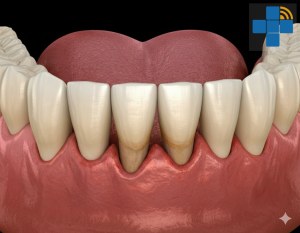
Gums are also affected by alcohol consumption. Alcohol can increase gingival inflammation, cause bleeding, and encourage the progression toward more severe periodontal diseases. These conditions, often silent in their early stages, can lead to gradual loosening of the teeth if left untreated.
Moreover, alcohol acts as an aggravating factor when combined with poor oral hygiene or smoking. The combination of these elements significantly increases the risk of bone loss around the teeth. This is why careful monitoring and personalized advice are essential to preserve gingival and bone tissues.
On this subject, it may be helpful to consult the page dedicated to the preservation of gingival and bone tissues to better understand the available solutions: https://docteur-yvan-gaudex.com/en/periodontology/preserving-gum-bone-tissues/
Dry January: What Are the Benefits for Oral Health?
Stopping alcohol for a month, even temporarily, allows the mouth to return to a healthier environment. Saliva production improves, oral mucosa regenerates more easily, and gingival inflammation may decrease. Some patients also notice fresher breath and a more comfortable feeling in the mouth on a daily basis.
Dry January is also an ideal time to adopt or reinforce good habits: regular hydration, thorough brushing, and the use of interdental brushes. This break can serve as a starting point for broader reflection on one’s relationship with alcohol and its long-term effects, including on oral health.
As part of a comprehensive health approach, these topics can be discussed during personalized consultations with the practitioner, tailored to the specific needs of each patient and their caregivers.
Alcohol and Long-Term Risks for the Mouth
Beyond dental and gingival damage, chronic alcohol consumption is recognized as a risk factor for lesions of the oral mucosa. When combined with other factors, it can increase the risk of more serious oral conditions. Prevention therefore relies on clear information, increased vigilance, and regular follow-up.
In this context, the role of the dental surgeon is not limited to technical care. It also includes prevention and health education, in connection with national initiatives such as Dry January.
Conclusion
Dry January is much more than a simple alcohol-free challenge. It is an opportunity to become aware of the impact of alcohol on oral health and to adopt more favorable behaviors over the long term. By relaying the actions of associations such as Prévention et Information Médicale, Dr. Yvan Gaudex’s dental practice in Chambéry is committed to an approach of information and prevention, offering personalized discussions adapted to each situation.
Taking care of your mouth also means taking care of your overall health. A break from alcohol consumption can be a first step toward better balance, benefiting teeth, gums, and overall well-being.